




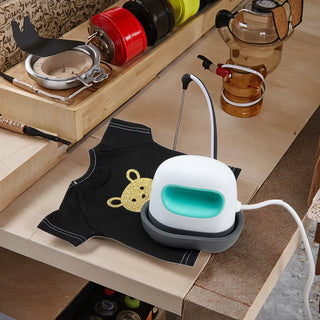


V-neck t-shirts are among the most versatile staples in modern wardrobes. Their defining V-shaped neckline creates a visual frame around the collarbone and chest area, offering a slightly sharper and more elongated appearance compared to rounded neck alternatives. This structural distinction influences not only style perception but also garment construction, fabric tension, and printing alignment. While often categorized as casual wear, V-neck t-shirts are widely used in smart-casual outfits, layered combinations, and branded merchandise collections.
Understanding the anatomy, care requirements, and design principles of V-neck garments is essential for both consumers and apparel brands. The neckline’s angular cut introduces specific considerations in stitching durability, washing routines, and graphic placement. Improper maintenance or flawed design decisions can easily distort the collar or disrupt visual balance. This guide explores structural differences, maintenance practices, and common production errors to ensure optimal longevity and aesthetic precision.
What Is a V-Neck T-Shirt?
A V-neck t-shirt is defined by its neckline, which forms a “V” shape at the center of the chest rather than a circular contour. This design is achieved by cutting and sewing ribbed fabric into angled seams that meet at a point. The depth of the V can vary from shallow to deep, directly affecting overall appearance and styling flexibility. Structurally, the neckline must be reinforced to prevent tearing or stretching at the convergence point where fabric tension is highest.
From a tailoring perspective, the V-neck modifies the perceived body proportion by creating a vertical line that elongates the neck and upper torso. This makes it a preferred choice for individuals seeking a slimming or lengthening visual effect. Unlike crew neck styles, the collarbone area remains partially exposed, contributing to a more open aesthetic.
Fabric choice plays a significant role in performance. Cotton, cotton-elastane blends, and modal fabrics are common due to flexibility and comfort. Stitch density around the neckline must be precise to maintain shape integrity. When properly constructed, a V-neck t-shirt balances structure and softness while delivering a refined yet casual appearance.
Differences Between V-Neck and Crew Neck
The primary distinction between V-neck and crew neck t-shirts lies in neckline geometry. Crew neck designs feature a rounded collar that sits close to the base of the neck, creating a symmetrical horizontal boundary. In contrast, V-neck cuts introduce angular depth that draws the eye downward. This geometric variation significantly impacts styling, body proportion perception, and layering compatibility.
From a visual standpoint, crew neck t-shirts create a compact and structured look, often perceived as sporty or classic. V-neck alternatives provide a sharper and slightly more mature aesthetic due to the exposed neckline. This difference influences wardrobe pairing choices, particularly when worn under blazers or lightweight jackets where collar visibility becomes important.
Comfort perception may also differ. Crew neck collars typically distribute tension evenly around the neck, while V-neck designs concentrate reinforcement at the meeting point of the seams. In hot climates, some individuals prefer the openness of V-neck styles for increased airflow. Ultimately, selection depends on personal preference, intended styling context, and desired silhouette effect.
How to Wash V-Neck T-Shirts Properly
Washing V-neck t-shirts requires attention to neckline integrity. The angled seam where the two collar edges meet is structurally sensitive and prone to distortion if exposed to excessive agitation. Washing the garment inside out reduces friction against the ribbed collar and preserves surface quality. Water temperature should remain moderate, ideally below 30°C for cotton fabrics, to minimize fiber shrinkage and shape loss.
Gentle cycles are recommended, particularly for lightweight or elastane-blended materials. Harsh spinning speeds can stretch the neckline disproportionately. Using mild detergents without aggressive bleaching agents helps maintain fabric elasticity. Overuse of fabric softeners may weaken rib tension over time.
Drying practices are equally critical. Tumble drying at high heat can compromise seam structure and accelerate collar warping. Air drying on a flat surface is preferable, as hanging wet garments may cause downward pulling at the V point. Ironing should be done carefully around the neckline seam, avoiding excessive pressure that could flatten or deform the ribbed structure. Proper care significantly extends garment longevity.
Preventing Neckline Deformation
Neckline deformation is one of the most common issues associated with V-neck t-shirts. Stretching typically occurs at the seam intersection where fabric tension is concentrated. Repeated pulling while dressing or removing the garment can gradually loosen stitch density. Preventative handling practices, such as widening the collar gently with both hands instead of pulling from one side, reduce stress imbalance.
Storage methods influence shape retention. Hanging V-neck shirts on thin or narrow hangers can cause fabric to stretch near the shoulder seams, indirectly affecting neckline alignment. Folding garments and storing them flat minimizes gravitational distortion. If hanging is preferred, wide-shoulder hangers provide better structural support.
Fabric composition also plays a preventative role. Ribbed collars reinforced with elastane blends maintain resilience longer than pure cotton trims. Higher stitch count along the V seam enhances durability and reduces the risk of unraveling. Regular inspection for early signs of stretching enables timely correction before irreversible deformation occurs.
Printing Placement for V-Neck T-Shirts
Printing placement on V-neck t-shirts demands careful alignment relative to the neckline depth. Unlike crew neck shirts, where center chest placement is predictable, V-neck designs introduce vertical asymmetry due to the downward cut. Placing graphics too high can conflict visually with the neckline, while positioning too low may disrupt proportional balance.
Optimal placement typically begins slightly below the lowest point of the V. This ensures that printed elements do not overlap the collar seam or create visual clutter near the chest opening. Designers must consider neckline depth variations when standardizing templates for production. Shallow V-necks require different alignment measurements than deep cuts.
Printing techniques also influence placement decisions. Screen printing benefits from consistent surface tension, while embroidery near the V intersection may cause distortion if not stabilized properly. Symmetry must be measured from the garment’s true centerline rather than visually estimated based on collar edges. Precision in positioning enhances professional appearance and brand consistency.
Common Design Errors on V-Neck Shirts
One frequent design mistake is positioning graphics too close to the neckline seam. This creates a crowded visual field and may lead to print cracking if the collar stretches during wear. Designers often overlook how the V shape changes negative space distribution across the chest area. Proper spacing ensures aesthetic clarity and structural flexibility.
Another error involves failing to adjust artwork proportions according to neckline depth. Deep V-necks require recalibrated vertical placement; otherwise, graphics may appear off-center or disproportionately high. Standard templates designed for crew neck garments should not be directly transferred without modification.
Misalignment along the garment’s vertical axis is also common. Because the V cut narrows toward the center, visual illusions can distort perceived symmetry. Accurate measurement from shoulder seams and true garment center prevents skewed results. Avoiding these design errors improves product quality, brand credibility, and overall wearer satisfaction.
