



Sweatshirts
Sweatshirts are one of the most practical apparel choices for custom printing because they combine comfort, everyday wearability, and strong visual space for artwork. For brands, creators, schools, teams, and small businesses, a sweatshirt can work as both a functional garment and a high-value merchandise item. When paired with high-quality DTF applications, it becomes easier to create bold graphics, detailed artwork, and durable custom pieces without limiting the design to simple shapes or single-color prints. This collection is built for customers looking for sweatshirts for DTF transfers that can support clean placement, strong adhesion, and consistent results. Whether the goal is to prepare custom apparel for retail, local events, employee uniforms, or seasonal drops, choosing the right sweatshirt blank directly affects the final look. DTF Town helps simplify that process by connecting quality apparel options with reliable DTF transfers for smooth ordering and production-ready customization. Sweatshirts for DTF Transfers and Custom Apparel Projects Sweatshirts are ideal for custom apparel projects because they offer a large, stable print area and a premium feel compared to lighter garments. Their thicker structure helps artwork stand out, especially on chest prints, back graphics, sleeve details, and oversized designs. For ecommerce brands and small apparel sellers, sweatshirts also create stronger perceived value, making them a practical choice for seasonal collections, branded merchandise, and limited product launches. When selecting blank sweatshirts for DTF, the goal should be more than choosing a color and size. Fabric composition, surface texture, thickness, stretch, and garment construction all affect how well the transfer bonds and how clean the final design appears. A smooth sweatshirt surface usually supports sharper artwork, while the right heat press setup helps maintain durability after repeated wear and washing. This makes sweatshirts a strong category choice for customers who want professional-looking custom apparel without overcomplicating the production process. Why Choose Blank Sweatshirts for DTF Printing? Blank sweatshirts provide flexibility for both simple and detailed custom designs. Unlike pre-decorated apparel, blank garments allow full control over artwork size, placement, color combinations, and branding style. This is especially useful for businesses creating product drops, local organizations preparing event apparel, or creators testing different designs before scaling inventory. A sweatshirt also gives enough space for front logos, large back prints, sleeve accents, and layered branding concepts. For DTF printing, sweatshirts are attractive because they work well with vibrant graphics, gradients, small text, and multi-color artwork. The transfer process does not require the same design limitations as some traditional methods, which helps customers create retail-ready apparel with fewer barriers. DTF Town supports this workflow through custom gang sheet options, allowing multiple designs to be arranged efficiently for different sweatshirt sizes, placements, and product variations. Best Sweatshirt Materials for DTF Transfers The best sweatshirt materials for DTF applications are usually cotton, polyester, or cotton-poly blends with a smooth and stable surface. Cotton-rich sweatshirts often provide a soft hand feel and a classic retail look, while polyester blends can improve shape retention and reduce shrinkage. A balanced blend is often preferred for custom apparel because it combines comfort, durability, and press compatibility. For DTF sweatshirt blanks, the surface should not be overly fuzzy or textured, because excessive fiber lift can reduce the crispness of fine details. Customers should also consider how the fabric reacts to heat, pressure, and repeated washing before choosing a sweatshirt for larger production runs. How Fabric Weight Affects DTF Print Results Fabric weight plays an important role in how the final sweatshirt feels and how the design sits on the garment. Midweight sweatshirts are often easier to press because they provide enough structure without being too bulky, while heavyweight sweatshirts can create a premium appearance but may require more attention to pressure and placement. Very thick seams, ribbed areas, and raised panels can affect heat distribution if the garment is not positioned correctly. For sweatshirts for heat press, consistent surface contact is essential, especially for large front or back designs. Choosing the right weight helps the transfer bond properly while keeping the sweatshirt comfortable and suitable for everyday use. How to Choose the Right Sweatshirt for DTF Transfers Choosing the right sweatshirt starts with understanding the final use case. A sweatshirt for retail merchandise may need a softer fabric, better fit, and more premium finish, while a sweatshirt for a team, school, or event may prioritize durability, sizing range, and cost efficiency. Color also matters because artwork contrast changes depending on whether the sweatshirt is light, dark, neutral, or bright. A strong design on a black sweatshirt may need different visual planning than the same artwork on heather gray or white. The sweatshirt should also match the expected print placement. A small left-chest logo requires a different garment evaluation than a large center chest print or full-back graphic. Customers should review seam placement, pocket construction, collar shape, ribbed cuffs, and waistband thickness before choosing a blank. For custom projects at DTF Town, pairing the right apparel with ready to press DTF transfers helps create a smoother workflow from design preparation to final application. Cotton, Polyester, and Blend Sweatshirts for DTF Cotton sweatshirts are popular for their softness, breathability, and familiar retail feel. They are often selected for lifestyle brands, casual merchandise, and premium apparel projects. Polyester sweatshirts may provide better moisture resistance and shape retention, making them useful for athletic, workwear, or event-based use. Cotton-poly blends are often the most balanced option because they offer comfort, structure, and dependable performance under heat. For custom DTF work, the fabric should be tested for heat sensitivity, stretch, and surface texture. A sweatshirt that looks good before pressing should also hold its shape after decoration, washing, and regular wear. Sweatshirt Fit, Size, and Print Placement Fit and size directly affect how a printed sweatshirt looks when worn. A design that appears centered on a flat surface may shift visually once the garment is worn, especially on oversized, cropped, relaxed, or athletic fits. Standard crewneck sweatshirts usually provide a clean front panel for chest artwork, while hooded styles require more attention around pockets and seams. Print placement should be adjusted according to garment size, not applied as a single measurement across every sweatshirt. Small sizes may need slightly reduced artwork, while larger sizes can support broader designs. Proper placement planning helps custom prints look balanced, intentional, and retail-ready. Best Uses for DTF Sweatshirt Blanks Sweatshirt blanks are highly versatile because they can serve multiple customer groups and product goals. A single sweatshirt design can be used for brand merchandise, employee apparel, event uniforms, creator drops, fundraising campaigns, and local business promotions. Their higher perceived value makes them useful for customers who want more than a basic printed T-shirt. Sweatshirts are especially effective during colder seasons, holiday campaigns, school events, and limited-edition launches. DTF applications make these projects easier because the same artwork can often be adapted across multiple garment types. A design created for a sweatshirt may also be used on T-shirts, hoodies, tote bags, or other compatible apparel, depending on the product line. DTF Town customers can use custom DTF transfers to keep branding consistent across different items while adjusting sizing and placement for each garment. This flexibility helps reduce production complexity and supports scalable apparel planning. Custom Sweatshirts for Brands and Small Businesses Custom sweatshirts are valuable for brands and small businesses because they can function as both merchandise and marketing assets. A well-designed sweatshirt can be sold online, worn by employees, gifted to loyal customers, or used for local brand visibility. For small businesses, sweatshirts also allow higher pricing potential compared to lightweight garments, especially when the blank quality and artwork placement feel premium. Custom DTF sweatshirts are useful for low-volume product testing because businesses can create professional designs without committing to large inventory. This makes sweatshirts a practical category for product launches, seasonal campaigns, and branded apparel collections. Sweatshirts for Events, Teams, and Merchandise Sweatshirts work well for events and teams because they are comfortable, practical, and easy to personalize. Schools, clubs, sports groups, nonprofits, and local organizations can use them for staff apparel, participant gifts, fundraiser items, or group merchandise. DTF printing supports detailed artwork, names, dates, logos, and multi-color graphics, which makes it easier to create event-specific designs without simplifying the visual identity. For merchandise, sweatshirts can also feel more memorable than basic apparel because customers often keep and wear them longer. A good sweatshirt blank helps the design feel intentional rather than temporary or promotional. Heat Press Tips for Sweatshirts and DTF Transfers Pressing sweatshirts requires careful attention to surface contact, pressure, and garment positioning. Because sweatshirts are thicker than standard T-shirts, they may create uneven pressure if seams, collars, cuffs, or pockets interfere with the heat press surface. The print area should be as flat as possible before pressing, and the sweatshirt should be positioned so the transfer receives consistent heat across the full design. A pressing pillow or pad may help when working near seams or raised areas. Temperature, time, and pressure should always follow the transfer supplier’s instructions, but sweatshirt thickness may require extra care during setup. The goal is not to overpress the design, but to create a clean bond between the transfer and fabric. Customers ordering through DTF Town can pair compatible sweatshirt blanks with heat press transfers for a more reliable decoration process. Pressing Factor What to Check Why It Matters Surface Area Keep the print zone flat Prevents uneven adhesion Pressure Use firm, even pressure Helps the transfer bond cleanly Placement Avoid seams and pockets Reduces lifting or gaps Fabric Type Review heat sensitivity Protects garment texture and shape After pressing, the sweatshirt should be allowed to cool or peel according to the transfer instructions. The final result should be checked around the edges, fine details, and high-contact areas of the design. If a second press is recommended, it should be done with proper cover protection and controlled pressure. Good pressing habits help maintain wash durability, reduce peeling risk, and create a smoother finish on thicker sweatshirt fabrics. Sweatshirts for DTF Transfers at DTF Town DTF Town supports customers who want an easier path from blank apparel selection to finished custom products. For sweatshirt projects, this means focusing on garment quality, print compatibility, and a practical ordering flow. Whether the customer is preparing a single custom design or multiple artwork variations, sweatshirt blanks can be paired with DTF applications to create apparel that feels ready for personal use, business promotion, or retail sale. This category is especially useful for customers who want to build a custom apparel lineup without managing too many separate suppliers. DTF Town’s services help connect apparel needs with transfer production, making it easier to plan designs, order prints, and prepare sweatshirts for heat pressing. Customers working on brand drops, local merchandise, or repeat apparel orders can use DTF Town as a central source for transfer-focused customization. Quality Sweatshirt Blanks for DTF Printing Quality sweatshirt blanks help improve the final print result because the garment provides the foundation for the entire design. A sweatshirt with a smoother surface, consistent structure, and reliable sizing will usually produce a cleaner and more professional appearance after pressing. Poor-quality blanks may shrink, distort, pill quickly, or create uneven print areas, which can reduce the value of the finished product. For DTF printing, customers should look for sweatshirts that support strong artwork visibility and stable heat application. DTF Town’s category approach is built around helping customers choose apparel that fits real custom printing needs, not just basic blank garment purchasing. Easy Ordering for DTF Sweatshirt Projects A smooth ordering process matters when customers are preparing multiple sweatshirt sizes, artwork placements, or product variations. Instead of treating each design as a separate production challenge, customers can organize artwork through transfer-friendly ordering options and prepare garments based on their project needs. This is useful for small businesses, schools, events, and creators who need consistency across several pieces. DTF Town helps simplify sweatshirt customization by supporting practical transfer ordering, clear product selection, and apparel-focused planning. When the garment and transfer are selected together, the customer can reduce errors and move from concept to finished product more efficiently. Why Buy Sweatshirts for DTF Transfers from DTF Town? Buying sweatshirt blanks and transfer-related services from DTF Town helps customers keep their apparel customization process more organized. Instead of sourcing blanks from one place, transfers from another, and production guidance from a third source, customers can build a more direct workflow around DTF-ready apparel projects. This is especially important for small businesses and local sellers that need reliable turnaround, repeatable results, and easy product planning. DTF Town is also a practical option for customers who want to test new designs before scaling. A brand can start with a small sweatshirt run, review print quality, gather customer feedback, and then expand into more colors, sizes, or garment styles. For local customers, online ordering and pickup-focused convenience can also support faster project timelines. This makes DTF Town a useful partner for sweatshirt customization, merchandise planning, and transfer-based apparel production. Frequently Asked Questions About Sweatshirts for DTF Transfers Customers often choose sweatshirts for custom DTF projects because they want apparel that feels more substantial than a standard T-shirt while still allowing creative design freedom. Before ordering, the most common questions usually involve fabric type, heat press compatibility, durability, and whether sweatshirts can be ordered together with transfers. These details matter because the quality of the finished product depends on both the blank garment and the application process. Can You Use DTF Transfers on Sweatshirts? Yes, DTF transfers can be used on sweatshirts when the garment is compatible with heat pressing and has a suitable print surface. Sweatshirts are commonly used for DTF projects because they provide enough space for bold graphics, chest designs, back prints, and branded artwork. The most important factors are fabric composition, surface texture, and proper press settings. A smooth cotton or cotton-poly sweatshirt usually supports cleaner results than a heavily textured or overly fuzzy garment. Customers should also avoid pressing across thick seams, pockets, or uneven areas when possible, because consistent pressure is important for strong adhesion and long-term wear. What Type of Sweatshirt Works Best for DTF Transfers? The best sweatshirt for DTF transfers is usually a cotton, polyester, or cotton-poly blend with a smooth surface and stable construction. Midweight sweatshirts are often a strong choice because they provide a good balance of comfort, structure, and pressability. Very lightweight sweatshirts may not feel premium enough for merchandise, while very heavyweight styles may require more careful pressure management. Crewneck sweatshirts are often easier to decorate because they offer a clean front panel, while hoodies may need additional planning around the pocket and hood seams. The right choice depends on the design size, garment purpose, and desired final feel. Do DTF Transfers Last on Sweatshirts? DTF transfers can last well on sweatshirts when they are applied correctly and cared for properly. Durability depends on using the right press temperature, time, pressure, peel method, and post-press process. Washing habits also matter. Turning the sweatshirt inside out, using mild detergent, avoiding high heat drying, and skipping harsh chemicals can help preserve the design. A quality sweatshirt blank also supports durability because stable fabric is less likely to shrink or distort around the print. When the transfer and garment are both selected carefully, the finished sweatshirt can remain suitable for repeated wear, casual use, and branded merchandise. Can I Order Sweatshirts and DTF Transfers Together from DTF Town? Customers can use DTF Town to plan sweatshirt customization alongside transfer-focused ordering, making it easier to manage apparel projects in one workflow. This is useful for businesses, creators, schools, teams, and event organizers that need both garment-ready planning and professional DTF print options. Ordering with a clear idea of sweatshirt color, size range, artwork placement, and transfer dimensions helps reduce production mistakes. DTF Town’s services are designed to support custom apparel needs, from individual designs to broader merchandise runs. For sweatshirt projects, combining blank apparel planning with reliable transfer ordering helps create a more efficient path to finished custom products.


Sweatshirts are one of the most practical apparel choices for custom printing because they combine comfort, everyday wearability, and strong visual space for artwork. For brands, creators, schools, teams, and small businesses, a sweatshirt can work as both a functional garment and a high-value merchandise item. When paired with high-quality DTF applications, it becomes easier to create bold graphics, detailed artwork, and durable custom pieces without limiting the design to simple shapes or single-color prints.
This collection is built for customers looking for sweatshirts for DTF transfers that can support clean placement, strong adhesion, and consistent results. Whether the goal is to prepare custom apparel for retail, local events, employee uniforms, or seasonal drops, choosing the right sweatshirt blank directly affects the final look. DTF Town helps simplify that process by connecting quality apparel options with reliable DTF transfers for smooth ordering and production-ready customization.
Sweatshirts for DTF Transfers and Custom Apparel Projects
Sweatshirts are ideal for custom apparel projects because they offer a large, stable print area and a premium feel compared to lighter garments. Their thicker structure helps artwork stand out, especially on chest prints, back graphics, sleeve details, and oversized designs. For ecommerce brands and small apparel sellers, sweatshirts also create stronger perceived value, making them a practical choice for seasonal collections, branded merchandise, and limited product launches.
When selecting blank sweatshirts for DTF, the goal should be more than choosing a color and size. Fabric composition, surface texture, thickness, stretch, and garment construction all affect how well the transfer bonds and how clean the final design appears. A smooth sweatshirt surface usually supports sharper artwork, while the right heat press setup helps maintain durability after repeated wear and washing. This makes sweatshirts a strong category choice for customers who want professional-looking custom apparel without overcomplicating the production process.
Why Choose Blank Sweatshirts for DTF Printing?
Blank sweatshirts provide flexibility for both simple and detailed custom designs. Unlike pre-decorated apparel, blank garments allow full control over artwork size, placement, color combinations, and branding style. This is especially useful for businesses creating product drops, local organizations preparing event apparel, or creators testing different designs before scaling inventory. A sweatshirt also gives enough space for front logos, large back prints, sleeve accents, and layered branding concepts.
For DTF printing, sweatshirts are attractive because they work well with vibrant graphics, gradients, small text, and multi-color artwork. The transfer process does not require the same design limitations as some traditional methods, which helps customers create retail-ready apparel with fewer barriers. DTF Town supports this workflow through custom gang sheet options, allowing multiple designs to be arranged efficiently for different sweatshirt sizes, placements, and product variations.
Best Sweatshirt Materials for DTF Transfers
The best sweatshirt materials for DTF applications are usually cotton, polyester, or cotton-poly blends with a smooth and stable surface. Cotton-rich sweatshirts often provide a soft hand feel and a classic retail look, while polyester blends can improve shape retention and reduce shrinkage. A balanced blend is often preferred for custom apparel because it combines comfort, durability, and press compatibility. For DTF sweatshirt blanks, the surface should not be overly fuzzy or textured, because excessive fiber lift can reduce the crispness of fine details. Customers should also consider how the fabric reacts to heat, pressure, and repeated washing before choosing a sweatshirt for larger production runs.
How Fabric Weight Affects DTF Print Results
Fabric weight plays an important role in how the final sweatshirt feels and how the design sits on the garment. Midweight sweatshirts are often easier to press because they provide enough structure without being too bulky, while heavyweight sweatshirts can create a premium appearance but may require more attention to pressure and placement. Very thick seams, ribbed areas, and raised panels can affect heat distribution if the garment is not positioned correctly. For sweatshirts for heat press, consistent surface contact is essential, especially for large front or back designs. Choosing the right weight helps the transfer bond properly while keeping the sweatshirt comfortable and suitable for everyday use.
How to Choose the Right Sweatshirt for DTF Transfers
Choosing the right sweatshirt starts with understanding the final use case. A sweatshirt for retail merchandise may need a softer fabric, better fit, and more premium finish, while a sweatshirt for a team, school, or event may prioritize durability, sizing range, and cost efficiency. Color also matters because artwork contrast changes depending on whether the sweatshirt is light, dark, neutral, or bright. A strong design on a black sweatshirt may need different visual planning than the same artwork on heather gray or white.
The sweatshirt should also match the expected print placement. A small left-chest logo requires a different garment evaluation than a large center chest print or full-back graphic. Customers should review seam placement, pocket construction, collar shape, ribbed cuffs, and waistband thickness before choosing a blank. For custom projects at DTF Town, pairing the right apparel with ready to press DTF transfers helps create a smoother workflow from design preparation to final application.
Cotton, Polyester, and Blend Sweatshirts for DTF
Cotton sweatshirts are popular for their softness, breathability, and familiar retail feel. They are often selected for lifestyle brands, casual merchandise, and premium apparel projects. Polyester sweatshirts may provide better moisture resistance and shape retention, making them useful for athletic, workwear, or event-based use. Cotton-poly blends are often the most balanced option because they offer comfort, structure, and dependable performance under heat. For custom DTF work, the fabric should be tested for heat sensitivity, stretch, and surface texture. A sweatshirt that looks good before pressing should also hold its shape after decoration, washing, and regular wear.
Sweatshirt Fit, Size, and Print Placement
Fit and size directly affect how a printed sweatshirt looks when worn. A design that appears centered on a flat surface may shift visually once the garment is worn, especially on oversized, cropped, relaxed, or athletic fits. Standard crewneck sweatshirts usually provide a clean front panel for chest artwork, while hooded styles require more attention around pockets and seams. Print placement should be adjusted according to garment size, not applied as a single measurement across every sweatshirt. Small sizes may need slightly reduced artwork, while larger sizes can support broader designs. Proper placement planning helps custom prints look balanced, intentional, and retail-ready.
Best Uses for DTF Sweatshirt Blanks
Sweatshirt blanks are highly versatile because they can serve multiple customer groups and product goals. A single sweatshirt design can be used for brand merchandise, employee apparel, event uniforms, creator drops, fundraising campaigns, and local business promotions. Their higher perceived value makes them useful for customers who want more than a basic printed T-shirt. Sweatshirts are especially effective during colder seasons, holiday campaigns, school events, and limited-edition launches.
DTF applications make these projects easier because the same artwork can often be adapted across multiple garment types. A design created for a sweatshirt may also be used on T-shirts, hoodies, tote bags, or other compatible apparel, depending on the product line. DTF Town customers can use custom DTF transfers to keep branding consistent across different items while adjusting sizing and placement for each garment. This flexibility helps reduce production complexity and supports scalable apparel planning.
Custom Sweatshirts for Brands and Small Businesses
Custom sweatshirts are valuable for brands and small businesses because they can function as both merchandise and marketing assets. A well-designed sweatshirt can be sold online, worn by employees, gifted to loyal customers, or used for local brand visibility. For small businesses, sweatshirts also allow higher pricing potential compared to lightweight garments, especially when the blank quality and artwork placement feel premium. Custom DTF sweatshirts are useful for low-volume product testing because businesses can create professional designs without committing to large inventory. This makes sweatshirts a practical category for product launches, seasonal campaigns, and branded apparel collections.
Sweatshirts for Events, Teams, and Merchandise
Sweatshirts work well for events and teams because they are comfortable, practical, and easy to personalize. Schools, clubs, sports groups, nonprofits, and local organizations can use them for staff apparel, participant gifts, fundraiser items, or group merchandise. DTF printing supports detailed artwork, names, dates, logos, and multi-color graphics, which makes it easier to create event-specific designs without simplifying the visual identity. For merchandise, sweatshirts can also feel more memorable than basic apparel because customers often keep and wear them longer. A good sweatshirt blank helps the design feel intentional rather than temporary or promotional.
Heat Press Tips for Sweatshirts and DTF Transfers
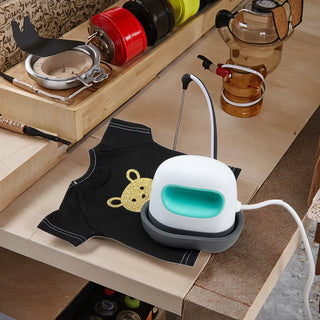
Pressing sweatshirts requires careful attention to surface contact, pressure, and garment positioning. Because sweatshirts are thicker than standard T-shirts, they may create uneven pressure if seams, collars, cuffs, or pockets interfere with the heat press surface. The print area should be as flat as possible before pressing, and the sweatshirt should be positioned so the transfer receives consistent heat across the full design. A pressing pillow or pad may help when working near seams or raised areas.
Temperature, time, and pressure should always follow the transfer supplier’s instructions, but sweatshirt thickness may require extra care during setup. The goal is not to overpress the design, but to create a clean bond between the transfer and fabric. Customers ordering through DTF Town can pair compatible sweatshirt blanks with heat press transfers for a more reliable decoration process.
|
Pressing Factor |
What to Check |
Why It Matters |
|
Surface Area |
Keep the print zone flat |
Prevents uneven adhesion |
|
Pressure |
Use firm, even pressure |
Helps the transfer bond cleanly |
|
Placement |
Avoid seams and pockets |
Reduces lifting or gaps |
|
Fabric Type |
Review heat sensitivity |
Protects garment texture and shape |
After pressing, the sweatshirt should be allowed to cool or peel according to the transfer instructions. The final result should be checked around the edges, fine details, and high-contact areas of the design. If a second press is recommended, it should be done with proper cover protection and controlled pressure. Good pressing habits help maintain wash durability, reduce peeling risk, and create a smoother finish on thicker sweatshirt fabrics.
Sweatshirts for DTF Transfers at DTF Town
DTF Town supports customers who want an easier path from blank apparel selection to finished custom products. For sweatshirt projects, this means focusing on garment quality, print compatibility, and a practical ordering flow. Whether the customer is preparing a single custom design or multiple artwork variations, sweatshirt blanks can be paired with DTF applications to create apparel that feels ready for personal use, business promotion, or retail sale.
This category is especially useful for customers who want to build a custom apparel lineup without managing too many separate suppliers. DTF Town’s services help connect apparel needs with transfer production, making it easier to plan designs, order prints, and prepare sweatshirts for heat pressing. Customers working on brand drops, local merchandise, or repeat apparel orders can use DTF Town as a central source for transfer-focused customization.
Quality Sweatshirt Blanks for DTF Printing
Quality sweatshirt blanks help improve the final print result because the garment provides the foundation for the entire design. A sweatshirt with a smoother surface, consistent structure, and reliable sizing will usually produce a cleaner and more professional appearance after pressing. Poor-quality blanks may shrink, distort, pill quickly, or create uneven print areas, which can reduce the value of the finished product. For DTF printing, customers should look for sweatshirts that support strong artwork visibility and stable heat application. DTF Town’s category approach is built around helping customers choose apparel that fits real custom printing needs, not just basic blank garment purchasing.
Easy Ordering for DTF Sweatshirt Projects
A smooth ordering process matters when customers are preparing multiple sweatshirt sizes, artwork placements, or product variations. Instead of treating each design as a separate production challenge, customers can organize artwork through transfer-friendly ordering options and prepare garments based on their project needs. This is useful for small businesses, schools, events, and creators who need consistency across several pieces. DTF Town helps simplify sweatshirt customization by supporting practical transfer ordering, clear product selection, and apparel-focused planning. When the garment and transfer are selected together, the customer can reduce errors and move from concept to finished product more efficiently.
Why Buy Sweatshirts for DTF Transfers from DTF Town?
Buying sweatshirt blanks and transfer-related services from DTF Town helps customers keep their apparel customization process more organized. Instead of sourcing blanks from one place, transfers from another, and production guidance from a third source, customers can build a more direct workflow around DTF-ready apparel projects. This is especially important for small businesses and local sellers that need reliable turnaround, repeatable results, and easy product planning.
DTF Town is also a practical option for customers who want to test new designs before scaling. A brand can start with a small sweatshirt run, review print quality, gather customer feedback, and then expand into more colors, sizes, or garment styles. For local customers, online ordering and pickup-focused convenience can also support faster project timelines. This makes DTF Town a useful partner for sweatshirt customization, merchandise planning, and transfer-based apparel production.
Frequently Asked Questions About Sweatshirts for DTF Transfers
Customers often choose sweatshirts for custom DTF projects because they want apparel that feels more substantial than a standard T-shirt while still allowing creative design freedom. Before ordering, the most common questions usually involve fabric type, heat press compatibility, durability, and whether sweatshirts can be ordered together with transfers. These details matter because the quality of the finished product depends on both the blank garment and the application process.
Can You Use DTF Transfers on Sweatshirts?
Yes, DTF transfers can be used on sweatshirts when the garment is compatible with heat pressing and has a suitable print surface. Sweatshirts are commonly used for DTF projects because they provide enough space for bold graphics, chest designs, back prints, and branded artwork. The most important factors are fabric composition, surface texture, and proper press settings. A smooth cotton or cotton-poly sweatshirt usually supports cleaner results than a heavily textured or overly fuzzy garment. Customers should also avoid pressing across thick seams, pockets, or uneven areas when possible, because consistent pressure is important for strong adhesion and long-term wear.
What Type of Sweatshirt Works Best for DTF Transfers?
The best sweatshirt for DTF transfers is usually a cotton, polyester, or cotton-poly blend with a smooth surface and stable construction. Midweight sweatshirts are often a strong choice because they provide a good balance of comfort, structure, and pressability. Very lightweight sweatshirts may not feel premium enough for merchandise, while very heavyweight styles may require more careful pressure management. Crewneck sweatshirts are often easier to decorate because they offer a clean front panel, while hoodies may need additional planning around the pocket and hood seams. The right choice depends on the design size, garment purpose, and desired final feel.
Do DTF Transfers Last on Sweatshirts?
DTF transfers can last well on sweatshirts when they are applied correctly and cared for properly. Durability depends on using the right press temperature, time, pressure, peel method, and post-press process. Washing habits also matter. Turning the sweatshirt inside out, using mild detergent, avoiding high heat drying, and skipping harsh chemicals can help preserve the design. A quality sweatshirt blank also supports durability because stable fabric is less likely to shrink or distort around the print. When the transfer and garment are both selected carefully, the finished sweatshirt can remain suitable for repeated wear, casual use, and branded merchandise.
Can I Order Sweatshirts and DTF Transfers Together from DTF Town?
Customers can use DTF Town to plan sweatshirt customization alongside transfer-focused ordering, making it easier to manage apparel projects in one workflow. This is useful for businesses, creators, schools, teams, and event organizers that need both garment-ready planning and professional DTF print options. Ordering with a clear idea of sweatshirt color, size range, artwork placement, and transfer dimensions helps reduce production mistakes. DTF Town’s services are designed to support custom apparel needs, from individual designs to broader merchandise runs. For sweatshirt projects, combining blank apparel planning with reliable transfer ordering helps create a more efficient path to finished custom products.