




DTF printing and sublimation are both high-quality digital transfer methods, but the winner depends entirely on your specific fabric needs and production volume. While sublimation offers a soft, "no-feel" finish that is chemically bonded to the fibers, DTF (Direct to Film) provides a versatile, vibrant layer that can be applied to almost any material, including dark cotton. Choosing between these two technologies requires a balance of understanding your substrate requirements, budget constraints, and desired hand-feel. Each method excels in different niches of the garment decoration industry, and understanding their unique technical profiles is the first step toward optimizing your printing workflow for maximum efficiency and customer satisfaction.
The Core Differences in Technology
The fundamental technology behind DTF and sublimation defines how the ink interacts with the surface and dictates the equipment needed. Sublimation relies on a chemical process where heat turns solid dye into a gas, which then penetrates the pores of synthetic fibers or polymer coatings. This creates a permanent, breathable bond that will never crack or peel because the ink becomes part of the fabric itself. On the other hand, DTF uses a mechanical bonding process. It involves printing a design onto a special PET film, applying a hot-melt adhesive powder to the wet ink, and then curing it. When heat-pressed, the adhesive melts and sticks the ink layer to the garment surface. Unlike sublimation, DTF creates a physical layer on top of the fabric rather than dyeing the fibers. This technological split means sublimation is restricted to light-colored synthetics, whereas DTF acts as a versatile “sticker-like” transfer that can adhere to nearly anything. Because DTF uses white ink as a base layer, it can produce opaque, brilliant colors on black backgrounds, a feat sublimation cannot achieve. Sublimation remains the king of seamless, professional-grade sportswear, while DTF has revolutionized the custom t-shirt market by offering a high-quality alternative to traditional screen printing and vinyl.
Fabric Compatibility: Cotton vs. Polyester
One of the most significant deciding factors between these two methods is the type of fabric you intend to decorate, as their compatibility profiles are vastly different.
- Sublimation is strictly limited to polyester-rich garments, requiring at least 65% synthetic content for acceptable results, as the dye only bonds with polymer molecules.
- DTF printing is virtually universal, allowing for high-quality transfers on 100% cotton, polyester, nylon, canvas, and even leather without any pre-treatment.
- Cotton fabrics will not hold sublimation dyes, resulting in a faded, washed-out look after the first laundry cycle because the gas has nothing to grab onto.
- Dark-colored garments are incompatible with sublimation, whereas DTF handles black and dark navy fabrics perfectly thanks to its opaque white underbase.
While sublimation offers an unbeatable feel on performance wear, DTF’s ability to bridge the gap between cotton and polyester makes it the more versatile choice for general apparel businesses.
Color Vibrancy and Design Complexity
In terms of visual output, both methods produce stunning results, but they excel in different areas of color reproduction and design intricate details.
- Sublimation produces photographic quality with smooth gradients and infinite color transitions because it is a continuous tone process at the molecular level.
- DTF offers exceptional color pop and saturation, especially on dark garments where the colors sit on top of a white mask, making them appear extremely vivid.
- Fine details and small text are handled well by both, but DTF allows for “floating” elements in a design without needing a background color to match the shirt.
- Sublimation is transparent, meaning the garment color affects the design; for example, printing blue on a yellow shirt will result in a green-tinted image.
For high-definition photography on white polyester, sublimation is superior, but for complex, colorful logos on diverse garment colors, DTF provides a more reliable and punchy visual impact.
The Transfer Process: Step-by-Step Comparison
The workflow for each method involves specific steps that impact production speed and the physical labor required to move from a digital file to a finished product.
- Sublimation begins with printing on specialized paper, followed by placing the paper against the garment and heat pressing at high temperatures for 45-60 seconds.
- DTF requires printing on film, coating the wet ink with adhesive powder, shaking off the excess, curing the powder in an oven, and then heat pressing.
- Weeding is not required for either method, which is a massive advantage over heat transfer vinyl, allowing for highly complex “free-standing” designs.
- DTF requires a two-step pressing process: an initial press to apply the film and a second “finishing” press after peeling the film to set the ink into the fabric.
The sublimation process is generally faster and cleaner because it skips the powdering and curing stages, but the versatility of DTF often justifies the extra steps for many creators.
Durability and Long-Term Wear
Durability is a key concern for consumers, and both DTF and sublimation offer impressive longevity, though they age differently over many wash cycles. Sublimation is arguably the most durable printing method in existence because the image is embedded within the fibers; it cannot crack, peel, or fade unless the fabric itself begins to disintegrate. It withstands heavy washing and high-heat drying without any loss of detail. DTF is also highly durable, often rated for 50 or more washes, but because it is a surface-applied layer, it may eventually show signs of wear or minor cracking over several years. The “hand-feel” of DTF is slightly thicker than sublimation, similar to a high-quality screen print, whereas sublimation has zero texture. Despite being a film-based transfer, modern DTF adhesives are incredibly flexible and stretchy, preventing the design from snapping when the fabric is pulled. As long as the curing process is performed correctly, a DTF print will outlast the typical lifespan of a cotton t-shirt, making it a reliable professional-grade solution.
Investment Costs: Equipment and Supplies
The financial entry point for these technologies varies based on whether you are a hobbyist or a high-volume commercial printer looking for maximum ROI.
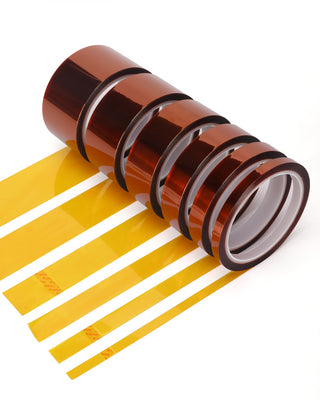
- Sublimation has a lower barrier to entry, as small-format printers are relatively inexpensive and the only consumables are ink, paper, and heat tape.
- DTF requires a higher initial investment for dedicated printers, curing ovens, and specialized RIP software to manage the white ink channels and powdering.
- In terms of per-print cost, DTF can be slightly more expensive due to the cost of the adhesive powder and the PET film compared to sublimation paper.
- Maintenance for DTF is more intensive, requiring daily agitation of the white ink to prevent clogging, whereas modern sublimation printers are generally lower maintenance.
While sublimation is cheaper to start, the ability of DTF to print on cotton and dark colors often leads to a faster return on investment through a wider product catalog.
When to Use DTF Over Sublimation
Deciding when to deploy DTF instead of sublimation comes down to the specific demands of your customer base and the diversity of your product offerings. You should choose DTF whenever you are working with 100% cotton garments, dark-colored fabrics, or blended materials like tri-blends that do not have enough polyester for sublimation. DTF is the superior choice for small-to-medium boutique brands that want to offer premium “streetwear” style t-shirts with vibrant, opaque graphics on black backgrounds. It is also the go-to method for items that cannot withstand the high heat or pressure required for sublimation, such as certain types of bags or sensitive synthetics. Conversely, stick to sublimation for “all-over-print” shirts, performance jerseys, and hard substrates like mugs or tiles that have a polymer coating. If your business model focuses on custom cotton apparel and versatile garment decoration, DTF is the modern powerhouse that will allow you to fulfill orders that sublimation simply cannot handle.
In summary, sublimation is the ultimate choice for white polyester and professional sportswear due to its molecular bond, while DTF is the king of versatility, enabling high-quality printing on cotton and dark fabrics. Sublimation offers a seamless feel, whereas DTF provides a vibrant, durable layer suitable for almost any substrate. By choosing the right tool for the specific fabric, you can ensure a professional, long-lasting result for every project.
