






Crew neck T-shirts are among the most widely produced and worn garments in global apparel markets. Their structured round neckline and adaptable construction make them suitable for casual, promotional, and professional use. From minimalist fashion collections to high-volume merchandising campaigns, the crew neck silhouette remains a foundational product category. Understanding its structure, maintenance requirements, and printing compatibility is essential for both consumers and apparel brands seeking long-term durability and visual consistency.
Beyond aesthetics, crew neck T-shirts represent a functional textile product with specific fabric behavior, collar tension mechanics, and print-surface considerations. Factors such as fiber composition, rib elasticity, stitch density, and wash cycles directly influence product lifespan. Whether used as a wardrobe staple or a branded merchandise canvas, optimizing care and design execution ensures sustained quality and presentation integrity.
What Is a Crew Neck T-Shirt?
A crew neck T-shirt is defined by its round, close-fitting neckline that sits at the base of the neck without overlapping fabric or plunging cuts. The collar is typically constructed using ribbed knit material, allowing moderate stretch while maintaining structural recovery. This neckline configuration provides a clean, symmetrical silhouette suitable for a wide range of body types and styling contexts. Unlike deeper neck designs, the crew neck maintains a conservative and balanced appearance.
Historically, the crew neck gained prominence in the early 20th century as an undergarment used by military personnel and labor workers. Its simplicity and durability led to mainstream adoption, eventually becoming a staple in casual fashion and uniform design. Modern variations differ in fabric weight, stitching reinforcement, and cut proportions, yet the defining feature remains the rounded neckline with structured rib binding.
Fabric selection plays a central role in performance. Common materials include 100% cotton, cotton-polyester blends, ring-spun cotton, and combed cotton. Premium variants may incorporate elastane for enhanced stretch retention. The neckline rib is typically constructed with higher elasticity yarn to maintain recovery after repeated wear and washing cycles.
Classic Uses of Crew Neck T-Shirts
Crew neck T-shirts serve multiple functional and aesthetic roles across industries and fashion segments. In everyday wear, they provide comfort, breathability, and versatility. Their neutral neckline works effectively under jackets, overshirts, hoodies, and blazers, making them a dependable layering foundation. The absence of a plunging neckline ensures visual balance and compatibility with structured outerwear.
Within professional and corporate settings, crew neck T-shirts are widely used for uniforms, event apparel, and promotional campaigns. Their flat front surface allows precise logo placement and consistent brand presentation. In merchandising and retail, they act as primary canvases for graphic storytelling, typography prints, and minimalist branding applications.
Streetwear culture has also adopted the crew neck as a core garment. Oversized cuts, heavyweight cotton constructions, and dropped shoulders transform the classic silhouette into a fashion-forward piece. Meanwhile, athletic and performance segments utilize moisture-wicking fabric blends for enhanced comfort. This cross-functional adaptability explains why crew neck T-shirts remain a dominant product in global apparel manufacturing.
How to Wash Crew Neck T-Shirts
Proper washing directly affects fabric longevity, color retention, and collar stability. Care label instructions should always be reviewed prior to cleaning, as fiber composition determines optimal temperature and agitation levels. Cotton-based crew neck T-shirts typically perform best in cold or lukewarm water cycles to prevent shrinkage and fiber stress. High heat settings can weaken yarn structure and accelerate fading.
Machine washing is suitable when garments are turned inside out to protect surface prints and minimize friction damage. Using mild detergent formulations reduces chemical strain on fibers. Overloading the washing drum should be avoided, as excessive compression can distort neckline ribbing and shoulder seams.
Drying methods significantly impact shape retention. Air drying on a flat surface is preferred to maintain structural alignment. Tumble drying at high temperatures may compromise rib elasticity and induce shrinkage. For printed shirts, low-heat drying settings help preserve graphic integrity. Consistent washing discipline ensures crew neck T-shirts maintain both structural form and visual clarity over extended usage cycles.
Maintaining Collar Shape Over Time
Collar deformation is one of the most common quality concerns in crew neck T-shirts. Stretching typically results from improper handling, excessive pulling during wear, or high-temperature washing cycles. The ribbed collar is engineered for flexibility, yet repeated stress without recovery time reduces elasticity. Avoiding aggressive stretching when putting on or removing the shirt significantly preserves neckline integrity.
Storage practices also influence collar longevity. Folding garments evenly and avoiding hanger suspension prevents downward tension that can elongate the neckline. When hanging is necessary, wide-shoulder hangers distribute weight more evenly and reduce distortion. Proper ironing technique involves light steam and minimal direct pressure on the ribbed collar to avoid flattening the knit texture.
Higher-quality crew neck T-shirts incorporate reinforced taping along the neckline seam. This structural reinforcement stabilizes the collar and prevents seam separation. Investing in garments with double-stitched necklines and durable rib blends enhances long-term shape retention. Preventative care combined with quality construction ensures the collar maintains its original form across repeated wear cycles.
Printing Options for Crew Neck T-Shirts
Crew neck T-shirts are highly compatible with multiple printing technologies, each suited for different production scales and design complexities. Screen printing remains the industry standard for bulk production due to its color vibrancy, durability, and cost efficiency at higher volumes. Plastisol and water-based inks provide distinct texture and finish characteristics depending on brand preference.
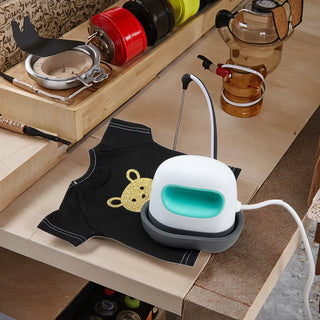
Direct-to-Garment (DTG) printing is ideal for small-batch production and detailed multicolor designs. This method allows photorealistic image reproduction with minimal setup requirements. Heat transfer printing offers flexibility for custom orders and rapid turnaround applications, though durability may vary depending on transfer material quality.
Embroidery serves as an alternative decoration method for logos and minimalist branding. It delivers dimensional texture and premium perception but may not suit large graphic compositions. Selecting the appropriate printing method requires evaluating fabric composition, order volume, design complexity, and intended lifespan. Matching technique to material ensures optimal adhesion, color consistency, and long-term wear resistance.
Design Alignment Best Practices
Precise design alignment ensures professional presentation and visual symmetry. Standard center chest placement typically positions the graphic approximately 5–8 centimeters below the collar seam, depending on garment size. Consistency across size ranges requires proportional scaling rather than fixed measurement application. Without scaling adjustments, prints may appear misaligned on larger or smaller garments.
Horizontal alignment must be measured from armpit seam to armpit seam to establish true garment center. Relying solely on collar midpoint can produce skewed placement if stitching variance exists. Vertical positioning should consider neckline depth, print height, and wearer proportions to maintain visual balance.
Pre-production mockups and sample approvals reduce alignment errors before full-scale printing begins. Utilizing alignment grids and digital templates improves placement accuracy. Attention to symmetry, spacing, and proportion ensures the final product communicates quality and intentional design. Structured alignment standards ultimately elevate both brand perception and product consistency.
