




DTF transfer, short for Direct to Film transfer, is a modern apparel printing technique that allows designs to be printed onto a special film and then transferred onto fabric using heat and pressure. Unlike traditional printing methods that apply ink directly to the garment, DTF creates the design independently from the fabric, which significantly expands its usability. This approach makes DTF suitable for a wide range of textiles, colors, and garment types without requiring complex preparation steps.
The growing popularity of DTF transfers is largely driven by their flexibility and efficiency. Small businesses, print-on-demand sellers, and custom apparel brands can produce high-quality prints without investing in large-scale production setups. DTF technology supports full-color designs, fine details, and durable results, making it a strong alternative to DTG, screen printing, and vinyl-based methods.
Another important aspect of DTF transfers is scalability. The same process can be used for one-off custom items or small production runs without sacrificing print consistency. This combination of quality, versatility, and cost efficiency has positioned DTF transfers as a preferred solution in today’s custom printing landscape.
How Does DTF Printing Work?
DTF printing works through a structured process that separates the printing stage from the application stage. First, the design is digitally prepared and printed onto a specially coated PET film using DTF-compatible inks. These inks typically include CMYK colors along with a white ink layer, which ensures opacity and vibrancy on both light and dark fabrics. The print is applied in reverse so it transfers correctly when pressed onto the garment.
After printing, a hot-melt adhesive powder is evenly applied to the wet ink. This powder sticks to the printed areas and acts as the bonding agent between the design and the fabric. The film is then cured using heat, allowing the adhesive to melt and set without fully transferring the design yet. Once cured, the film becomes a ready-to-use transfer.
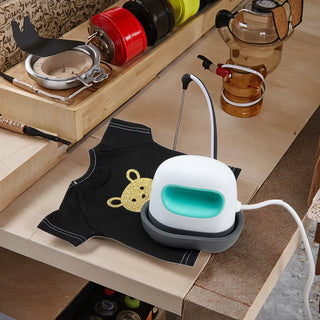
The final step involves placing the film onto the garment and applying a heat press with controlled temperature, pressure, and time. The adhesive melts again and bonds permanently with the fabric fibers. After cooling, the film is peeled away, leaving a durable, flexible, and visually sharp print on the garment.
DTF Printing Materials Explained
DTF printing relies on a specific set of materials that work together to ensure consistent and professional results. The most critical component is the DTF film, which is specially coated to hold ink and release it cleanly during heat application. These films are designed to withstand curing temperatures while maintaining dimensional stability.
DTF inks are another essential material. They are water-based pigment inks formulated for flexibility and strong adhesion. White ink plays a vital role by creating a solid base layer, allowing colors to remain vivid on dark or textured fabrics. Without proper white ink coverage, prints can appear dull or transparent.
The adhesive powder is what enables the transfer to bond with fabric. This hot-melt powder must be applied evenly to avoid weak spots or rough textures. Lastly, a reliable heat press is required to control temperature, pressure, and timing accurately. Consistency in these materials directly affects wash durability, stretch performance, and overall print quality.
What Fabrics Can DTF Transfers Be Applied To?
One of the strongest advantages of DTF transfers is their broad fabric compatibility. DTF can be applied successfully to cotton garments, which are commonly used in t-shirts, hoodies, and sweatshirts. The adhesive powder bonds well with natural fibers, resulting in long-lasting prints that resist cracking and peeling over time.
DTF transfers also perform exceptionally well on polyester and polyester-blend fabrics. Unlike some printing methods that struggle with dye migration or color limitations, DTF creates a barrier between the ink and the fabric. This makes it a reliable option for sportswear, performance apparel, and synthetic textiles where durability and flexibility are required.
In addition to standard fabrics, DTF can be used on blends, stretch materials, and even textured surfaces. Light and dark fabrics are equally suitable because of the white ink layer. This versatility allows businesses to use one printing solution across multiple product categories without changing equipment or workflows, significantly simplifying production planning.
Advantages of DTF Transfers
DTF transfers offer several practical advantages that make them appealing to both beginners and experienced apparel printers. One major benefit is the ability to print full-color designs with fine details and smooth gradients. Since the design is printed digitally, there are no limitations on color count or complexity, which is especially valuable for logos and illustrations.
Another advantage is low setup cost. Compared to screen printing, DTF does not require screens, emulsions, or lengthy setup times. This makes it ideal for small orders, custom designs, and on-demand production. Businesses can fulfill orders quickly without committing to large production volumes.
Durability is also a key strength of DTF transfers. When applied correctly, prints can withstand frequent washing and daily wear without significant fading or cracking. Combined with flexibility on different fabrics and garment colors, DTF transfers provide a balanced solution that supports efficiency, quality, and scalability in modern apparel printing.
DTF Transfer vs Other Printing Methods
Choosing the right printing method depends on cost, production volume, fabric type, and design requirements. DTF transfers stand out because they offer a middle ground between flexibility and durability. Unlike methods that are limited by fabric type or color, DTF performs consistently across a wide range of applications.
When comparing DTF to other printing techniques, it becomes clear that each method has strengths and limitations. Understanding these differences helps businesses select the most suitable solution based on their operational goals and customer expectations.
DTF vs DTG (Direct to Garment)
DTG printing applies ink directly onto the garment, which can produce soft and detailed prints on cotton fabrics. However, DTG often requires pretreatment, especially for dark garments, which adds time and complexity. Fabric limitations also make DTG less versatile for polyester or blended materials.
DTF, by contrast, does not require garment pretreatment and works equally well on light and dark fabrics. Maintenance requirements for DTF printers are often simpler, and production can be more flexible for small batches. This makes DTF a more adaptable option for businesses handling diverse product lines.
DTF vs Screen Printing
Screen printing is known for durability and cost efficiency at high volumes, but it requires significant setup time and costs. Each color needs a separate screen, making it impractical for small orders or highly detailed designs.
DTF eliminates these setup barriers. Designs can be changed quickly, and small runs are economically viable. While screen printing may still be preferred for mass production, DTF excels in customization, speed, and low-volume efficiency.
DTF vs Heat Transfer Vinyl (HTV)
HTV involves cutting designs from vinyl sheets and pressing them onto garments. While suitable for simple graphics, HTV struggles with complex designs and multicolor artwork.
DTF supports intricate designs, gradients, and photographic elements without additional steps. Production speed is also faster for complex artwork, making DTF a more scalable and visually flexible solution than HTV.
Is DTF Printing Durable?
DTF printing is widely recognized for its durability when proper materials and heat press settings are used. The adhesive powder creates a strong bond with fabric fibers, allowing the print to flex and stretch without cracking. This flexibility is essential for garments that experience frequent movement and washing.
Wash resistance is another key factor. High-quality DTF prints can endure multiple wash cycles while maintaining color vibrancy and structural integrity. Proper curing and pressing ensure that the adhesive fully activates and anchors the design securely.
Long-term performance also depends on user practices. Correct temperature, pressure, and peeling techniques significantly influence durability. When these variables are controlled, DTF transfers offer a reliable and long-lasting printing solution suitable for everyday apparel.
Common Use Cases for DTF Transfers
DTF transfers are commonly used for custom t-shirts, hoodies, and sweatshirts because they support detailed designs and vibrant colors. Small clothing brands often prefer DTF due to its low setup cost and ability to produce limited collections efficiently.
Sportswear and uniforms are another frequent use case. DTF’s compatibility with polyester and performance fabrics makes it suitable for activewear that requires flexibility and durability. Logos, numbers, and team graphics can be applied consistently across different garments.
Promotional products, such as tote bags and workwear, also benefit from DTF transfers. Businesses that rely on customization and short turnaround times find DTF to be a practical and scalable solution across multiple product categories.
Is DTF Transfer Printing Right for Your Business?
DTF transfer printing is particularly suitable for businesses that prioritize flexibility, customization, and cost control. If your operation involves small batch orders, frequent design changes, or a wide range of fabrics, DTF offers a practical advantage over more rigid printing methods.
However, DTF may not always be the optimal choice for very large-scale production where screen printing can offer lower per-unit costs. Evaluating production volume, garment types, and design complexity helps determine whether DTF aligns with your business goals.
Overall, DTF transfers provide a balanced printing solution that supports growth, experimentation, and operational efficiency. For many modern apparel businesses, DTF represents a reliable and future-proof printing method.
Frequently Asked Questions About DTF Transfers
DTF transfers raise several common questions among beginners. One frequent concern is longevity, and when applied correctly, DTF prints can last for years with proper garment care. Washing inside out and avoiding excessive heat helps preserve print quality.
Another question involves home use. DTF printing can be performed at home with the right equipment, including a suitable printer, curing method, and heat press. While there is a learning curve, many small businesses successfully operate DTF setups independently.
Print feel is also a common topic. DTF prints are slightly more noticeable than DTG but remain flexible and comfortable. Advances in adhesive powders and films continue to improve softness and breathability over time.
