


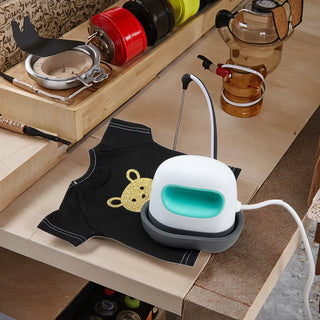


Yes, DTF transfers can be used on hoodies and sweatshirts, and they are one of the most practical decoration methods for thicker casual apparel. Because hoodies and sweatshirts usually have heavier fabric surfaces than standard t-shirts, they need a transfer method that can bond well, maintain detail, and stay flexible after repeated wear. DTF printing is suitable for this use because the design is printed onto a transfer film, coated with adhesive powder, and then heat pressed onto the garment surface.
For brands, creators, schools, sports teams, local businesses, and apparel sellers, this makes hoodie and sweatshirt customization more accessible. Instead of needing large screen-printing setups or complicated color separations, DTF allows detailed graphics, gradients, logos, text, and multi-color artwork to be applied with consistent results. When the right fabric, pressure, temperature, and care process are used, DTF can create clean, durable, and professional-looking designs on both lightweight sweatshirts and heavyweight hoodies.
Are DTF Transfers Suitable for Hoodies and Sweatshirts?
DTF transfers are suitable for hoodies and sweatshirts because they can adhere to many common apparel materials, including cotton, polyester, fleece, and blended fabrics. These garments often have a textured or thicker surface, so the transfer must bond evenly without cracking, peeling, or feeling too rigid. DTF performs well in this area because the adhesive layer helps the design attach to the fibers during the heat press process. This creates a flexible print that can move naturally with the garment.
Another advantage is that hoodies and sweatshirts usually require bold visual placement. Front chest graphics, back prints, sleeve details, and logo placements can all be produced with DTF when the garment is positioned correctly on the press. For apparel sellers, DTF transfers on hoodies are especially useful because they make small-batch, seasonal, and custom designs easier to produce without committing to large inventory. This supports on-demand printing, brand drops, team apparel, and personalized merchandise.
Why DTF Transfers Work Well on Thick Apparel
DTF transfers work well on thick apparel because the process is not limited to thin or flat garments. Hoodies and sweatshirts have more fabric density than standard shirts, and many include fleece interiors, seams, pockets, ribbed areas, or raised stitching. A properly applied DTF transfer can sit cleanly on the printable area while maintaining strong adhesion. The key is to use enough pressure and heat so the adhesive melts into the garment surface without damaging the fabric.
Thick apparel also benefits from DTF because the print remains detailed even on darker or heavier materials. The white ink layer used in DTF printing helps artwork stay visible and sharp, which is important for black, navy, gray, and deep-colored hoodies. This makes custom hoodie transfers a strong option for designs that include logos, typography, illustrations, or color-heavy branding. When paired with correct pressing technique, DTF can produce a smooth and durable finish on garments that are frequently worn in colder seasons.
Best Hoodie and Sweatshirt Fabrics for DTF Transfers
The best hoodie and sweatshirt fabrics for DTF transfers are usually cotton, cotton-polyester blends, polyester blends, and fleece-based materials. Each fabric type responds differently to heat, pressure, and adhesive bonding, so the application process should be adjusted according to the garment structure. A heavyweight cotton hoodie, for example, may tolerate heat and pressure better than a lightweight synthetic sweatshirt. This is why testing before full production is important, especially when working with new garment blanks.
Fabric choice affects both the print result and long-term durability. A smooth cotton surface can help the transfer appear crisp, while fleece or textured surfaces may require careful pressure control to avoid uneven bonding. Polyester blends can work well, but they may need lower heat settings to reduce the risk of fabric shine or scorching. For consistent production, it is best to group garments by fabric type and test press settings before applying larger batches.
Cotton Hoodies and Sweatshirts
Cotton hoodies and sweatshirts are among the most reliable options for DTF transfers because cotton fibers usually accept heat-applied designs well. The surface tends to provide a stable base for the adhesive, especially when the fabric is smooth and properly pre-pressed. Pre-pressing helps remove moisture and wrinkles, allowing the transfer to sit flat before application. Cotton is also popular for premium casual apparel, so it is commonly used for branded sweatshirts, merch collections, and lifestyle clothing. For best results, avoid placing transfers over thick seams, drawstring channels, or heavily ribbed areas because uneven pressure can reduce adhesion.
Polyester Blend Hoodies
Polyester blend hoodies can also work with DTF transfers, but they require more attention during heat pressing. Polyester is more sensitive to high temperatures than cotton, and excessive heat can cause shine, discoloration, or fabric marks. Because of this, application settings should be tested before production, especially with performance hoodies or lightweight synthetic blends. A cotton-poly blend often gives a good balance between softness, durability, and print compatibility. For DTF hoodie printing, polyester blends can be a practical choice when the goal is to create sportswear, team apparel, or promotional clothing with vibrant artwork.
Fleece and Heavyweight Sweatshirts
Fleece and heavyweight sweatshirts can produce strong DTF results when the transfer is applied to a stable and even surface. Since fleece garments are thicker, they may need firm pressure to help the adhesive bond properly. However, too much pressure on areas with seams, pockets, or raised texture can create uneven results. The best placement is usually a flat chest, back, or sleeve area away from bulky construction details. Heavyweight garments are often used for premium streetwear and winter apparel, making sweatshirt DTF transfers a useful solution for brands that want detailed designs without sacrificing garment comfort.
How to Apply DTF Transfers on Hoodies and Sweatshirts
Applying DTF transfers on hoodies and sweatshirts starts with preparing the garment properly. The hoodie or sweatshirt should be placed flat on the heat press, with seams, pockets, and zippers positioned away from the main pressing area whenever possible. A short pre-press is useful because it removes moisture and flattens the fabric surface. This step is especially important for fleece, heavyweight cotton, and garments that may have been stored in humid conditions. A smoother surface helps the transfer bond more evenly.
Once the garment is prepared, the transfer should be aligned carefully based on the intended placement. For hoodies, center chest placement must account for the hood, drawstrings, and front pocket. For sweatshirts, the flat front panel usually gives more flexibility. After pressing, the film should be peeled according to the transfer type and supplier instructions. Some transfers require warm peeling, while others need cold peeling. A final press can improve the finish, soften the hand feel, and strengthen adhesion.
Heat Press Temperature and Pressure
Heat press temperature and pressure are critical for hoodie and sweatshirt applications because thick garments can absorb heat differently than thin t-shirts. If the pressure is too light, the adhesive may not bond fully with the fabric. If the temperature is too high, certain materials may show press marks or surface changes. A balanced setting should be tested on the exact garment type before production. In most cases, firm and even pressure is more important than extreme heat. Using a pressing pillow or pad can also help create a level surface when seams or pockets are near the design area.
Placement Areas for Hoodie Transfers
Placement areas for hoodie transfers should be selected based on garment structure and customer intent. The most common area is the center chest, but back prints, sleeve logos, left chest designs, and pocket-area graphics are also popular. The front pouch pocket can limit design size, so the artwork should not overlap bulky seams or raised edges. Back placement often provides the largest printable area and works well for bold graphics or brand statements. For sleeve applications, smaller designs usually perform better because they are easier to align and press evenly.
Common Mistakes When Using DTF Transfers on Hoodies
One common mistake when using DTF transfers on hoodies is pressing over uneven areas. Hoodie seams, drawstrings, zipper edges, and pouch pockets can prevent the heat press from applying consistent pressure. When pressure is uneven, parts of the design may not bond correctly, which can lead to lifting after washing. To avoid this, the garment should be positioned so the print area is as flat as possible. Pressing pads can help raise the print zone and reduce interference from nearby seams.
Another mistake is skipping the test press. Hoodies and sweatshirts can vary widely in fabric weight, fiber content, and surface texture. A setting that works on one hoodie may not perform the same way on another. Overheating, under-pressing, peeling too early, or washing too soon after application can also reduce durability. For consistent results, test the garment, follow supplier instructions, and inspect the transfer after pressing. Good production habits are especially important when creating customer orders, team apparel, or retail-ready merchandise.
How Durable Are DTF Transfers on Hoodies and Sweatshirts?
DTF transfers can be durable on hoodies and sweatshirts when they are applied correctly and cared for properly. Durability depends on several factors, including transfer quality, adhesive strength, fabric type, heat press settings, pressure, and wash routine. A well-applied transfer should remain flexible and resist cracking or peeling through normal wear. Since hoodies and sweatshirts are often washed less frequently than everyday t-shirts, the print can maintain its appearance for a long time when handled correctly.
Durability also depends on how the garment is used. A casual hoodie worn occasionally may hold its print longer than a work sweatshirt exposed to heavy abrasion, frequent washing, or harsh detergents. Large prints may experience more stretch and movement than smaller logos, so design placement matters. For best performance, the print should be applied to a stable area and allowed to cure fully before washing. When production standards are consistent, DTF can support both personal-use garments and commercial apparel collections.
|
Durability Factor |
Why It Matters for Hoodies and Sweatshirts |
|
Fabric Type |
Smooth cotton and balanced blends often support cleaner adhesion. |
|
Pressing Pressure |
Thick apparel needs even pressure for proper bonding. |
|
Transfer Quality |
High-quality film, ink, and adhesive improve long-term performance. |
|
Wash Care |
Gentle washing helps protect the print from premature wear. |
Care Tips for DTF Printed Hoodies and Sweatshirts
Care plays a major role in keeping DTF printed hoodies and sweatshirts in good condition. After application, the garment should not be washed immediately. Allowing the print to settle helps support stronger adhesion. When washing, turning the hoodie or sweatshirt inside out can reduce friction against the printed surface. Cold or mild-temperature washing is usually better than hot water because it is gentler on both the fabric and the transfer.
Drying should also be handled carefully. High heat from dryers can place unnecessary stress on the print over time, especially on large designs. Air drying or using a low-heat dryer setting can help preserve the transfer. Harsh detergents, bleach, and direct ironing over the print should be avoided. If ironing is necessary, the printed area should be protected with a cloth and only light heat should be used. These simple steps can help maintain the look, flexibility, and durability of the design.
When Should You Choose DTF Transfers for Custom Hoodies?
DTF transfers are a strong choice for custom hoodies when the design includes multiple colors, fine details, gradients, or low-to-medium production quantities. Traditional methods such as screen printing can be efficient for very large runs, but they may require more setup for each color. DTF gives more flexibility for smaller batches, personalized orders, limited collections, and quick design variations. This makes it useful for brands that want to test new designs without producing large inventory upfront.
You should also choose DTF when you need consistent results across different garment colors. Because DTF uses a white underbase, designs can appear vibrant on both light and dark hoodies. This is valuable for apparel brands, schools, creators, event organizers, and businesses that want professional customization without complex production requirements. DTF is especially practical when the goal is to produce clean, retail-ready apparel with flexible artwork options and manageable setup needs.
DTF Transfers for Hoodie and Sweatshirt Printing with DTF Town
DTF Town supports hoodie and sweatshirt printing needs by making transfer production more accessible for apparel businesses, creators, and custom print shops. For users who want to decorate thicker garments, the quality of the transfer matters as much as the heat press process. A clean transfer with strong adhesive, accurate color output, and reliable film performance can make the difference between a print that looks professional and one that fails after a few washes.
For custom apparel sellers, working with a focused DTF transfer provider helps simplify production. Instead of managing every stage of printing in-house, businesses can order ready-to-press transfers and apply them to selected hoodie or sweatshirt blanks. This can reduce equipment pressure, speed up fulfillment, and make seasonal or made-to-order apparel easier to manage. With the right garment preparation and care process, DTF Town transfers can help create durable, clean, and visually strong hoodie and sweatshirt designs.
